
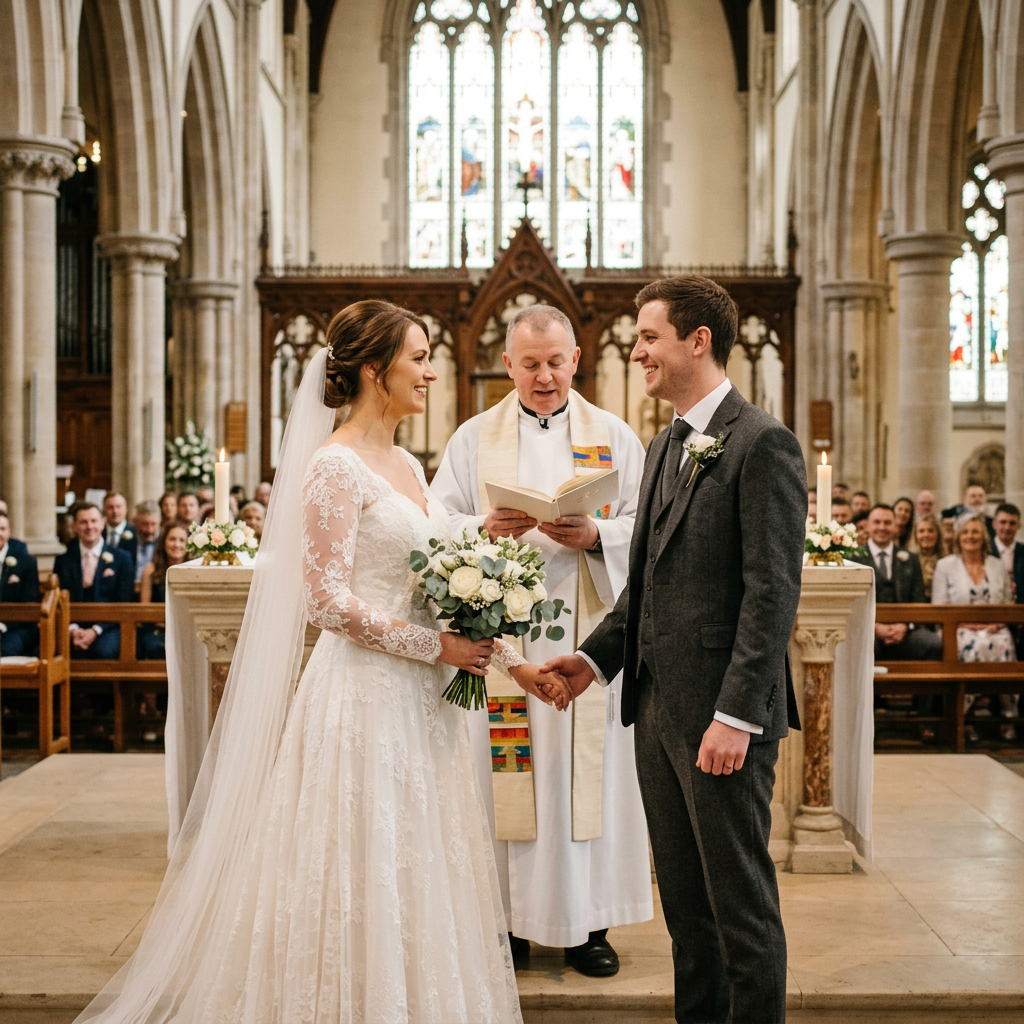
Divorce is a devastating thing if you take marriage seriously at all. It can burn a huge hole into you financially, emotionally, spiritually, and sometimes physically. It can also have a generation-to-generation effect. Children can be very hurt by divorce and they consequently change their behavior in a negative way that is passed along to their children unless it is mitigated in some way. For these reasons God has strong words against divorce. We should take them seriously. God also will develop in you strong qualities that divorce may be avoided. Still, since marriage requires the efforts of two people, divorce can be the better route than continued dysfunctional marriage. It is a failure at that point, but not necessarily a damning one.
This is what the US government found about the effect of divorce, which is between 40-60% of marriages in this country:
For example, the working paper found that divorce in early childhood reduced children’s income in their mid- to late 20s by 9% to 13%.
Teen birth rates among children of divorce jumped 63% following the split, compared to pre-divorce levels.
The risk of early death (before age 25) increased by 35% to 55% at the time of divorce and remained elevated for at least a decade — an impact comparable to lacking health insurance.
The sample group’s incarceration rate of 0.46% in 2010 was three times higher than for children of always-married parents. Divorce when children were between ages 5 and 20 increased incarceration risk by 0.15 to 0.28 percentage points.
Census.gov
Depending on how faith was integrated into family life a divorce can be devastating to the faith of both the parents and the especially the children. This shows up in the measurables like surveys and church attendance, but it no doubt runs much deeper. It could be the cause of falling from grace because of neglect of the means of grace, unrepentant sin, or failure to forgive.
From the beginning people getting married should understand that it takes work to happily succeed in marriage. Marriage is not just an approved outlet for sexual urges. Nor is simply living together an answer. Moving out after a long relationship will have impact as well. It is only lessened by the fact that there is not the same level of security nor identity for children in the first place.
When I say marriage takes “work”, I primarily mean personal development in certain areas: financial discipline, forgiveness of your spouses missteps, tolerance, self-sacrifice, commitment because of God, control of your language and tone, developing shared interests, and more. Most of these, and possibly all of these, are qualities that God will give you in response to some effort.
A connection to Jesus through baptism has many benefits. The largest by far are those that affect the afterlife, but that is not all. We have a new parent-child relationship to God. We receive God-given purpose. And, often overlooked:
3 His divine power has granted to us all things that pertain to life and godliness, through the knowledge of him who called us to his own glory and excellence, 4 by which he has granted to us his precious and very great promises, so that through them you may become partakers of the divine nature, having escaped from the corruption that is in the world because of sinful desire.
2 Peter 1:3-4 (ESV)
“Partaking of the divine nature” refers to supernaturally developing the personality qualities of God. Many of which, connect with the changes we need to make to make marriage as success. If you are not committed to personal improvement, you won’t pursue these qualities and God won’t automatically bless your efforts. Without the “work”, divorce can become a more likely thing.
God speaks very strongly against divorce many times, but this quote is interesting:
15 Did he not make them one, with a portion of the Spirit in their union? And what was the one God seeking godly offspring. So guard yourselves in your spirit, and let none of you be faithless to the wife of your youth. 16 “For the man who does not love his wife but divorces her, says the Lord, the God of Israel, covers his garment with violence, says the Lord of hosts. So guard yourselves in your spirit, and do not be faithless.”
Malachi 2:15-16 (ESV)
Marriage makes us “one” with a portion of the Spirit. It is more than a legal arrangement when it is a marriage created by God. It is more than a sexual relationship. I suppose many marriages are not created by God, but strictly legal arrangements. Even with a portion of the Spirit, marriages can fail, but the frequency of failure is smaller. When it fails, it is usually the fault of both people. The ultimate failure can be solely the sin of an unfaithful partner. Many other sins may precede an infidelity and marital failure.
We should be careful in pursuing an affair or divorce merely to “be happy”. The damages to others and the sinful cost to us is not worth it. Pursue happiness but pursue it with your spouse. We should note that “happiness” with another partner is often short-lived. Life in general is short and is not the place where we will find the bulk of our happiness. Life after death will be the happy place. Don’t risk undermining your salvation or that of a spouse or children, if you can.
All that said, the sins of a dysfunctional marriage and of a divorce can be forgiven and a person can start over in the eyes of God. This requires genuine repentance of your share of the failure, which in turns takes some honest, and maybe difficult, self-examination. The failure to do this accounts for the fact that second marriages fail at a greater rate than first marriages. People fail to recognize and correct themselves.
Getting it right, preferably in your first marriage, if not, then in your current marriage is what God wants for you and empowers you to do. In a mixed marriage, where one person is not connected to Christ, Paul shares this:
12 To the rest I say (I, not the Lord) that if any brother has a wife who is an unbeliever, and she consents to live with him, he should not divorce her. 13 If any woman has a husband who is an unbeliever, and he consents to live with her, she should not divorce him. 14 For the unbelieving husband is made holy because of his wife, and the unbelieving wife is made holy because of her husband. Otherwise your children would be unclean, but as it is, they are holy. 15 But if the unbelieving partner separates, let it be so. In such cases the brother or sister is not enslaved. God has called you to peace.
1 Corinthians 7:12-15 (ESV)
God doesn’t present His ideals for marriage as something that requires us to endure constant argument or violence. The idea is to head such things off before they happen. This starts with a careful and thorough selection of a spouse and continues with mutual self-improvement that God will give. In that environment a spouse is not a “ball and chain”, but a true blessing for a lifetime and your marriage a blessing to children, parents, and even others.


