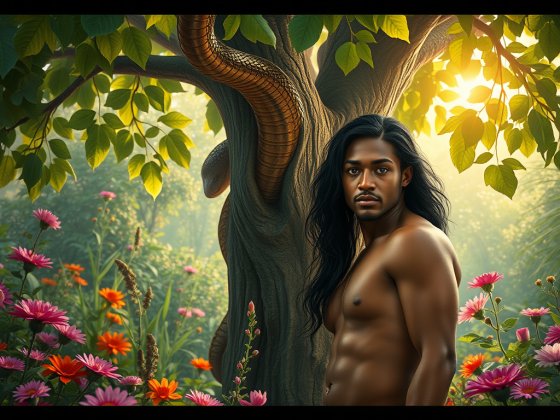
The Mysteries of the Garden of Eden

The Genesis 3 account of creation, sin, and humanity’s origin, often dismissed as myth, is viewed as historically significant. While Adam and Eve represent humanity’s sinful nature, the story illustrates God’s patience and plan for salvation through Jesus. It addresses deep questions about our existence and moral struggles, highlighting the need for redemption.

Freewill

The author discusses the concept of free will, contrasting philosophical and biblical perspectives. He asserts that while modern science often denies free will, Christian doctrine, particularly the Lutheran Formula of Concord, acknowledges it is influenced by sinful nature. Ultimately, through the Holy Spirit, believers experience a unique form of freedom, emphasizing gratitude for divine choice.

Understanding the Term “Body of Christ”

The New Testament, particularly Paul’s writings, employs the phrase “the body of Christ” in distinct ways: literally, referring to Jesus’ unique incarnate body, and signifying the mystical union of believers. The sacramental aspect of the Lord’s Supper is essential for preserving this unity, which underscores the importance of love and respect among Christians.

Has Tragedy or Scandal Crushed Your Faith?

Over 33 years in ministry, I’ve observed many disillusioned by personal tragedies or church scandals. This stems from unmet expectations about life with Christ. Jesus warned of hardships in Matthew 24, emphasizing the necessity of endurance. False expectations and human sin lead to disillusionment, yet maintaining faith offers eternal life and hope.

The Mystical Union, Lord’s Supper and John 6

The Lord’s Supper is not just a symbolic ritual but a means of maintaining the Mystical Union with Christ, crucial for salvation. Jesus’ words in John 6 reveal its significance, and 1 Corinthians 10 emphasizes mutual participation in Christ’s body and blood. This union, initiated at baptism, requires continued support through the Lord’s Supper and other means for its preservation until reaching Heaven.

Can We Be Trusted with More Advanced Technology?

The content explores the potential dangers of rapid technological advancement, drawing parallels to the biblical story of the Tower of Babel. It raises concerns about nuclear weapons, genetic modification, and AI, emphasizing the ethical responsibility of creators and users. Ultimately, the author reflects on the belief that only divine intervention can control the trajectory of technological progress.