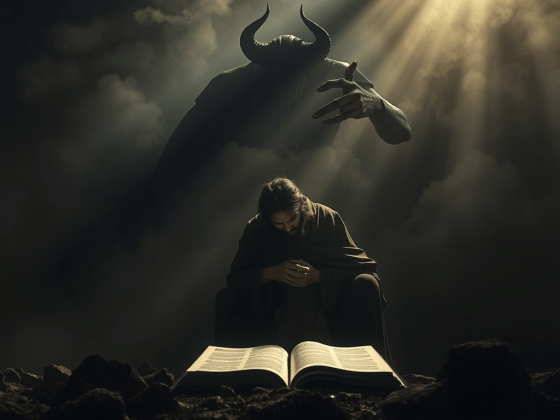
Damaged People

The author discusses the pervasive damage caused by sin, genetics, societal influences, and personal trauma, emphasizing the need for recognition and healing. Despite the hopelessness of human condition, there is hope through God’s love and redemption. Personal transformation is possible, enabling individuals to transcend their damage and embrace a renewed identity.

Does God Bring Judgments on Groups?

The content discusses the inherent troubles of humanity stemming from sinful nature, a divine curse, and the influence of Satan, which leads to suffering. It argues that while God’s disposition is generally positive, He can display wrath, especially towards groups persistently provoking Him. The text urges caution in interpreting current events as divine judgment.

Is God a “Do Nothing” God?

A commenter, a long-time Christian, expressed frustration over perceived divine inactivity amid prayer experiences. The post explores divine interactions, asserting that God’s existence is evidenced by a finely tuned universe and prophetic scriptures. It emphasizes that true belief in Christ fosters a personal connection with God, influencing prayer outcomes and requiring faith.

The Mysteries of the Garden of Eden

The Genesis 3 account of creation, sin, and humanity’s origin, often dismissed as myth, is viewed as historically significant. While Adam and Eve represent humanity’s sinful nature, the story illustrates God’s patience and plan for salvation through Jesus. It addresses deep questions about our existence and moral struggles, highlighting the need for redemption.

Freewill

The author discusses the concept of free will, contrasting philosophical and biblical perspectives. He asserts that while modern science often denies free will, Christian doctrine, particularly the Lutheran Formula of Concord, acknowledges it is influenced by sinful nature. Ultimately, through the Holy Spirit, believers experience a unique form of freedom, emphasizing gratitude for divine choice.