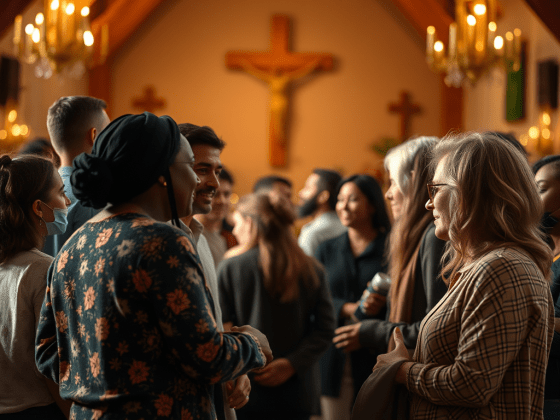
To thrive as humans, we need love, purpose, and hope beyond basic needs. Love from others and God gives value to our existence. Purpose comes from fulfilling God’s intentions, enriching lives, and generating disciples. Hope, based on biblical confidence in eternal life through Jesus, empowers us to face challenges and transcends temporary struggles.
Category: Sinful nature
The Prophecies of Jesus’ Birth
The author writes about how various prophecies found in the Old Testament point to Jesus as the one who will crush Satan and be a blessing to the Jews and to all the world
The Unshared Rules of God
The text explores the nature of God’s unspoken rules regarding Satan’s influence and existence. It questions why God allows Satan to be released after a thousand years, suggesting a hidden grace at play. The author discusses the implications of demonic forces on human nature and sin, emphasizing God’s plan of salvation through Jesus to uphold divine justice while offering mercy.
How Much Evil Is Too Much?
Many have doubted God’s love due to the existence of evil, which is viewed as both intentional harm and natural dysfunction. The story of Job illustrates that suffering does not equate to God’s absence or lack of care. Evil stems from human sin, Satan, and a divine curse, with ultimate relief promised after judgment.
Damaged People
The author discusses the pervasive damage caused by sin, genetics, societal influences, and personal trauma, emphasizing the need for recognition and healing. Despite the hopelessness of human condition, there is hope through God’s love and redemption. Personal transformation is possible, enabling individuals to transcend their damage and embrace a renewed identity.
The Mysteries of the Garden of Eden
The Genesis 3 account of creation, sin, and humanity’s origin, often dismissed as myth, is viewed as historically significant. While Adam and Eve represent humanity’s sinful nature, the story illustrates God’s patience and plan for salvation through Jesus. It addresses deep questions about our existence and moral struggles, highlighting the need for redemption.
Freewill
The author discusses the concept of free will, contrasting philosophical and biblical perspectives. He asserts that while modern science often denies free will, Christian doctrine, particularly the Lutheran Formula of Concord, acknowledges it is influenced by sinful nature. Ultimately, through the Holy Spirit, believers experience a unique form of freedom, emphasizing gratitude for divine choice.
The Curse and the California Wildfires
This week’s wildfires have caused unprecedented destruction, echoing past calamities in Lahaina and Paradise. The rising death toll raises questions about spiritual implications and human stewardship of the land. As creation suffers from “the curse,” effective land management strategies and a deeper understanding of our role are urgently needed to mitigate future disasters.
Can We Be Trusted with More Advanced Technology?
The content explores the potential dangers of rapid technological advancement, drawing parallels to the biblical story of the Tower of Babel. It raises concerns about nuclear weapons, genetic modification, and AI, emphasizing the ethical responsibility of creators and users. Ultimately, the author reflects on the belief that only divine intervention can control the trajectory of technological progress.